Explore our leading selection of engineered-to-order solar garden lights deployed across resorts, marinas, and municipal infrastructure projects in Fiji.
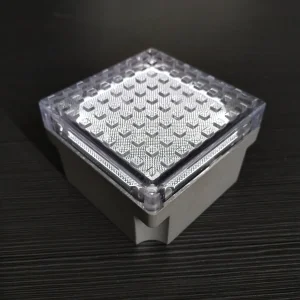
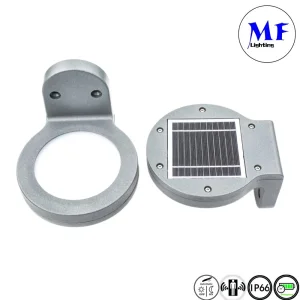
An analysis of Fiji’s National Energy Mandates, tropical engineering specifications, and the localized socioeconomic impacts of grid-free illumination.
Fiji's geographic isolation poses persistent challenges for traditional centralized power systems. With the Fijian Government actively prioritizing its National Energy Policy (NEP)—aiming for 100% renewable electricity generation by 2036—decentralized solar installations are shifting from optional luxuries to critical infrastructure. The transition to high-efficacy, outdoor solar LED systems eliminates diesel fuel transportation costs to remote islands, directly decreasing municipal operational expenses and lowering the carbon footprint of tourism operators in key regions like Nadi, Suva, and Savusavu.
Deploying lighting systems in a tropical maritime environment requires stringent engineering. Fiji is subject to high humidity index levels averaging over 85%, persistent airborne salinity (which accelerates metal oxidation), and high wind forces during cyclone seasons (categories 3 to 5). Standard consumer-grade solar lights degrade rapidly under these conditions. B2B projects in the region demand commercial-grade enclosures, anti-corrosive powder coatings, IP66+ ingress protection, and impact-resistant materials to ensure longevity and maintain optimal operational integrity.
Globally, commercial enterprises and real estate developments are aligning procurement strategies with ESG (Environmental, Social, and Governance) targets. Outdoor landscape illumination is a primary candidate for solar retrofits due to its zero carbon emissions footprint. Modern developments utilize smart solar lighting to achieve international green building certifications (such as LEED or BREEAM) while providing robust security and architectural distinction to public areas and private developments alike.
How our solar garden lights are engineered specifically to thrive in the harsh coastal atmospheric conditions of the Pacific Islands.
| Engineering Challenge | Standard Market Grade (Residential) | Silvan Lighting Marine-Grade (Industrial) | Fiji Application Value |
|---|---|---|---|
| Salt-Mist Corrosion | Standard steel or recycled plastics (corrodes within 6-12 months) | Fluorocarbon-coated die-cast aluminum or SUS316 stainless steel | Resists corrosion on properties near high-salinity beachfronts. |
| Battery Chemistry | Ternary Lithium or Lead-Acid (unstable in ambient heat >35°C) | LiFePO4 (Lithium Iron Phosphate) with Smart BMS (lasts 8-10 years) | Maintains battery health despite high tropical temperatures. |
| Solar Ingress Protection | IP44 / IP54 (vulnerable to tropical monsoon downpours) | IP65 / IP66 (hermetically sealed silicon gaskets) | Withstands seasonal downpours, monsoons, and high humidity levels. |
| Photovoltaic Conversion | Polycrystalline (15% efficiency, degraded performance in cloud cover) | Monocrystalline Silicon (21%+ conversion rate, optimized low-light yields) | Ensures reliable charging during Fiji's wet and overcast season. |
To maximize battery life through extended overcast periods, our lights utilize dual intelligent control architectures. Unlike standard PIR (Passive Infrared) sensors that can fail in high ambient heat (since they rely on temperature differences), our premium range incorporates Microwave Radar Sensors. These sensors detect physical movement dynamically through wave displacement, adjusting output from a 20% energy-saving ambient glow to 100% full brightness instantaneously. This ensures security and visibility while managing energy reserves efficiently.
Enhance outdoor guest experiences and public spaces with robust solar-driven configurations built to international lighting standards.
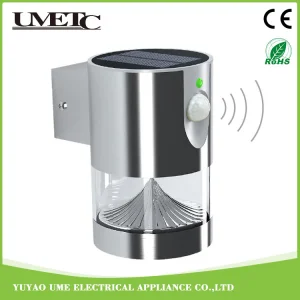
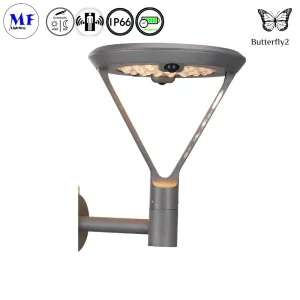
Global expertise, scale manufacturing efficiency, and direct supply-chain integration from China’s leading illumination tech hub.
Shenzhen Silvan Lighting Co., Ltd., established in 2007, is a high-tech enterprise specializing in the research, development, production, and global sales of a comprehensive range of advanced lighting solutions. Located in Shenzhen, the global center for electronics and lighting innovation, we benefit from advanced infrastructure and direct proximity to major global shipping ports, including Shenzhen and Hong Kong. This allows us to offer efficient logistics, fast delivery, and seamless international trade procedures to customers in Fiji and the wider Pacific region.
We hold independent import and export rights, and our entire product portfolio complies with international quality standards. We have obtained certifications such as CCC, CE, RoHS, GS, SAA, BS, PSE, and others, reflecting our commitment to safety, build quality, and environmental compliance.
By integrating automated manufacturing lines, precision assembly, and rigorous quality control protocols, we ensure that every unit meets high quality standards before shipment. We offer flexible OEM and ODM services, allowing global buyers to customize colors, optical designs, and smart functions without changing existing fixture footprints.
Leveraging our proximity to major logistics ports in South China, we offer streamlined shipping solutions directly to Fiji’s key import hubs. Our export division manages container loading (FCL/LCL), customs clearance documentation, and tropical-grade moisture-barrier packaging to ensure your shipment arrives securely and ready for installation.
Tailored architectural, functional, and security lighting applications suited to the unique geographies of Fiji.
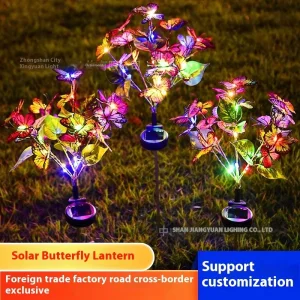
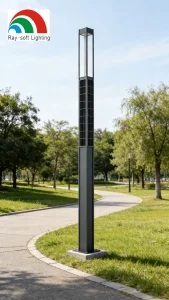
From the luxury beachfront villas of the Mamanuca Islands to the eco-lodges along the Coral Coast, our landscape fixtures offer zero-noise, warm-spectrum illumination. They accent tropical gardens without disrupting local ecosystems or nesting turtles, providing path lighting that aligns with green tourism guidelines.
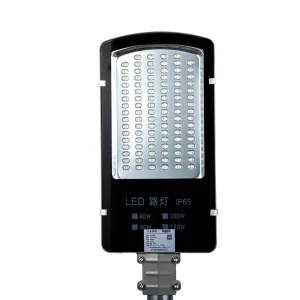
In urban centers like Suva, Lautoka, and Nadi, our heavy-duty solar street and lawn lights provide dependable security illumination. By implementing motion sensor lighting, municipalities can reduce evening energy consumption and lower ongoing infrastructure maintenance costs.
For remote villages on Vanua Levu, Kadavu, or the Lau Group, grid extension is often economically unfeasible. Independent solar lighting systems provide high-efficiency pathway illumination that operates without external electrical grids or diesel fuel dependence.
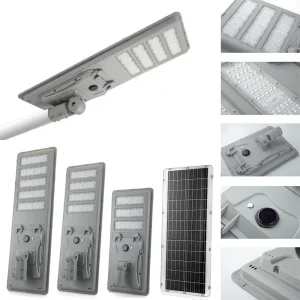
Select from our range of high-performance B2B solar outdoor lighting solutions designed for longevity, weather resistance, and efficient installation.
Common questions regarding technical specifications, marine-grade validation, customized options, and logistics for Fijian buyers.
Coastal areas in Fiji feature high humidity and elevated salt levels in the air, which can cause oxidation and corrode standard materials within months. To prevent this, our systems utilize SUS316 stainless steel, heavy die-cast aluminum with a fluorocarbon coating, and high-impact polycarbonate covers. These materials resist rust and degradation, helping to extend the operational life of the installations in coastal settings.
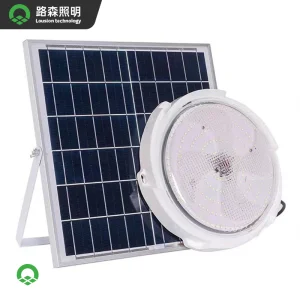
Our solar lights feature monocrystalline solar panels with high conversion efficiency (over 21%). This design helps them capture ambient energy during cloudy and rainy conditions. The systems are also equipped with a built-in energy-saving controller that matches power output with battery levels, helping the light run through periods of extended rain.
We use Lithium Iron Phosphate (LiFePO4) batteries across our commercial and industrial products. These batteries have a thermal operating range of up to 65°C and are managed by an onboard Battery Management System (BMS). This setup helps protect the batteries from overheating, overcharging, and deep discharge, supporting a service life of up to 8-10 years.
Yes, we offer OEM and ODM customization services. We can adjust color temperatures (from 2200K warm amber for eco-resorts to 6000K daylight for street safety), modify fixture colors, print logos, and adjust microwave sensor ranges to meet your specific project requirements.
Our manufacturing and testing processes comply with international standards, and our products hold certifications including CCC, CE, RoHS, GS, SAA, BS, and PSE. SAA and CE compliance are typically preferred for customs clearance and electrical safety validation in Fiji.
 Silvan Lighting