Creating the perfect atmosphere in your bedroom is essential for sleep and relaxation. One key element to consider is lighting. Among various factors, color temperature plays a critical role. Many wonder, "what is the best color temperature for bedroom lighting?"
Research suggests that warmer tones, like soft whites and light yellows, promote calmness. These hues can enhance your winding down routine. They help signal your body that it's time for rest. Bright white lights can be too stimulating, disrupting relaxation.
People often overlook how color temperature affects mood and sleep quality. Choosing the right lighting is a personal journey. You may find that what works for someone else doesn’t suit your preferences. Reflecting on your experiences will guide you toward the best options. A thoughtful approach to bedroom lighting can truly transform your personal space.
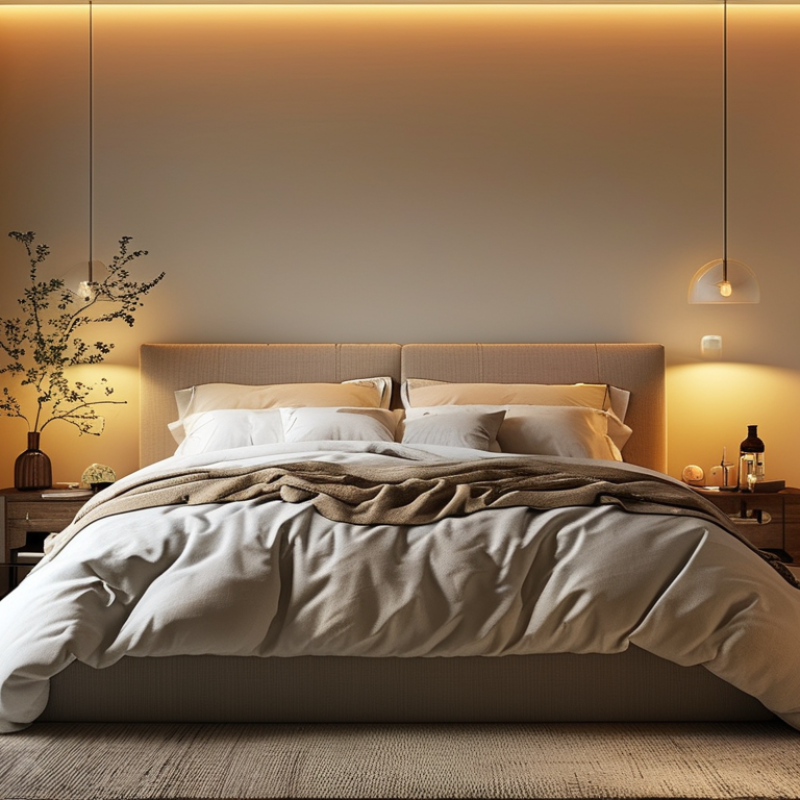
Color temperature plays a crucial role in our sleep quality. For restful sleep, experts suggest warmer tones in the bedroom. The ideal color temperature ranges from 2700K to 3000K. These warmer lights mimic the sunset, signaling your body to wind down.
Bright, cool white lights can disrupt your circadian rhythm. They may lead to difficulty falling asleep. Consider using dimmable options to adjust lighting as needed. Experimenting with different temperatures can help you find the right balance.
Personal preferences vary greatly, though. Some people might still feel more relaxed with slightly cooler tones. It’s essential to reflect on how lighting affects your sleep environment. Observing these effects can lead to a better night’s rest. More research is needed to confirm the best practices for everyone.
When choosing the best color temperature for bedroom lighting, comfort is key. The recommended color temperature range lies between 2700K to 3000K. This range emits a soft, warm light. It is perfect for creating a relaxing environment. Studies show that warmer light enhances sleep quality by promoting melatonin production.
For a cozy atmosphere, aim for task lighting in the lower part of this range. A bedside lamp with a 2700K bulb works well. It helps to prevent eye strain during late-night reading. Consider using dimmable lighting options to adjust brightness. A gradient effect can create a calming ambiance throughout the evening.
Tips for selecting the right bulbs include opting for LED options. They are energy-efficient and have a longer lifespan. Warm white LEDs are ideal since they closely mimic incandescent bulbs. Be aware that personal preference plays a significant role. Some may prefer cooler shades. Experiment with different temperatures to find your sweet spot.
| Lighting Type | Recommended Color Temperature (K) | Ideal Usage | Mood Effects |
|---|---|---|---|
| Warm White LED | 2700K - 3000K | Reading, Relaxation | Cozy, Inviting |
| Soft White Incandescent | 2700K | General Use | Warm, Comforting |
| Neutral White LED | 3500K - 4000K | Task Lighting | Balanced, Focused |
| Cool White LED | 5000K - 6500K | Work Areas | Invigorating, Alert |
Choosing the right color temperature for bedroom lighting can greatly influence your sleep quality and overall mood. Warm white light, typically ranging from 2700K to 3000K, creates a cozy atmosphere. This color temperature closely resembles the soft glow of a sunset. It promotes relaxation and signals the body to wind down. In contrast, cool white light, around 4000K to 5000K, offers a brighter, more energizing ambiance. It mimics daylight, making it suitable for tasks that require focus.
When comparing the two, personal preference plays a significant role. Warm light might feel inviting but could also make a space seem smaller. Cool light may enhance clarity but can feel harsh or sterile. It’s essential to consider how each type of lighting impacts your space and daily routine. Experimenting with both color temperatures can help identify what feels best for your sleep environment.
Some people find that switching between warm and cool light helps them adjust their mood throughout the day. Using dimmers can also create a versatile lighting setup. However, poor lighting choices can lead to disruptions in sleep patterns or create an unwelcoming space. Being mindful about your choices can transform an ordinary bedroom into a peaceful sanctuary.
In 2026, smart lighting solutions are transforming the way we perceive color temperature in our bedrooms. Many experts suggest that a warmer color temperature, typically around 2700K to 3000K, creates a relaxing atmosphere conducive to sleep. This soft glow mimics the natural light of sunrise and sunset, promoting tranquility. Control is key in smart lighting. Users can adjust brightness and warmth through their devices, tailoring settings to fit their mood and activities.
However, it's essential to be cautious. Over-reliance on technology could lead to a lack of awareness about natural light patterns. Not all smart systems intuitively set the ideal color temperature for individuals. This can result in discomfort or disrupted sleep cycles. Experimentation with color temperature during various times of the day is necessary. Users might need to refine their settings over time to find what truly works for them. Balancing smart technology with natural light awareness can enhance the bedroom environment remarkably.
In 2026, the design of bedroom lighting will likely prioritize warmth and comfort. Studies show that soft white lights can create a soothing atmosphere. Color temperatures around 2700K to 3000K will be most preferred. This range fosters relaxation and enhances sleep quality. Many will seek to replicate natural sunlight’s warmth during the day. It's essential to balance brightness and warmth for key activities.
Trends are shifting towards smart lighting solutions. People want control over color and brightness. This includes using mobile apps to change settings easily. However, not every homeowner will be tech-savvy. A learning curve exists, requiring patience and exploration. Achieving the perfect ambiance can require some trial and error.
Different cultures will also influence preferences. Some may favor cooler lights for clarity, while others lean towards warmer tones for intimacy. This variety brings richness to bedroom design. Considering personal comfort is vital. It’s about finding what truly resonates with you. Each choice reflects your unique taste and needs, highlighting the individual journey in creating the perfect bedroom atmosphere.
: Warm white light, typically around 2700K to 3000K, creates a cozy and relaxing environment.
Cool white light, between 4000K to 5000K, provides a brighter, energizing ambiance that mimics daylight.
Yes, personal preference significantly influences which light feels more comfortable and inviting in a space.
Alternating between warm and cool tones can help adjust your mood throughout the day, enhancing comfort.
Dimmers allow for versatile lighting setups, helping to create the desired atmosphere at different times.
Over-reliance may lead to a disconnect from natural light patterns and possible sleep disturbances.
Experimentation is key to finding the ideal settings that suit your mood and daily activities effectively.
Future trends are expected to prioritize warm lighting for comfort, fostering relaxation and better sleep quality.
Some users may struggle with the technology, requiring patience and exploration to achieve the perfect ambiance.
Cultural backgrounds influence preferences, with some favoring cooler lights for clarity and others preferring warmer tones for intimacy.
When considering "what is the best color temperature for bedroom lighting," it is essential to understand how color temperature impacts sleep quality. Warmer light, typically in the range of 2700K to 3000K, is often recommended for bedroom environments, as it promotes relaxation and prepares the body for sleep. In contrast, cooler white light is more energizing and may not be suitable for winding down at the end of the day.
As we look toward 2026, smart lighting solutions are increasingly allowing users to adjust color temperatures according to their needs, enhancing comfort and personalization in bedroom design. Future trends indicate a growing preference for customizable lighting options that cater to individual tastes, making it easier than ever to create an inviting and restful atmosphere.
Silvan Lighting